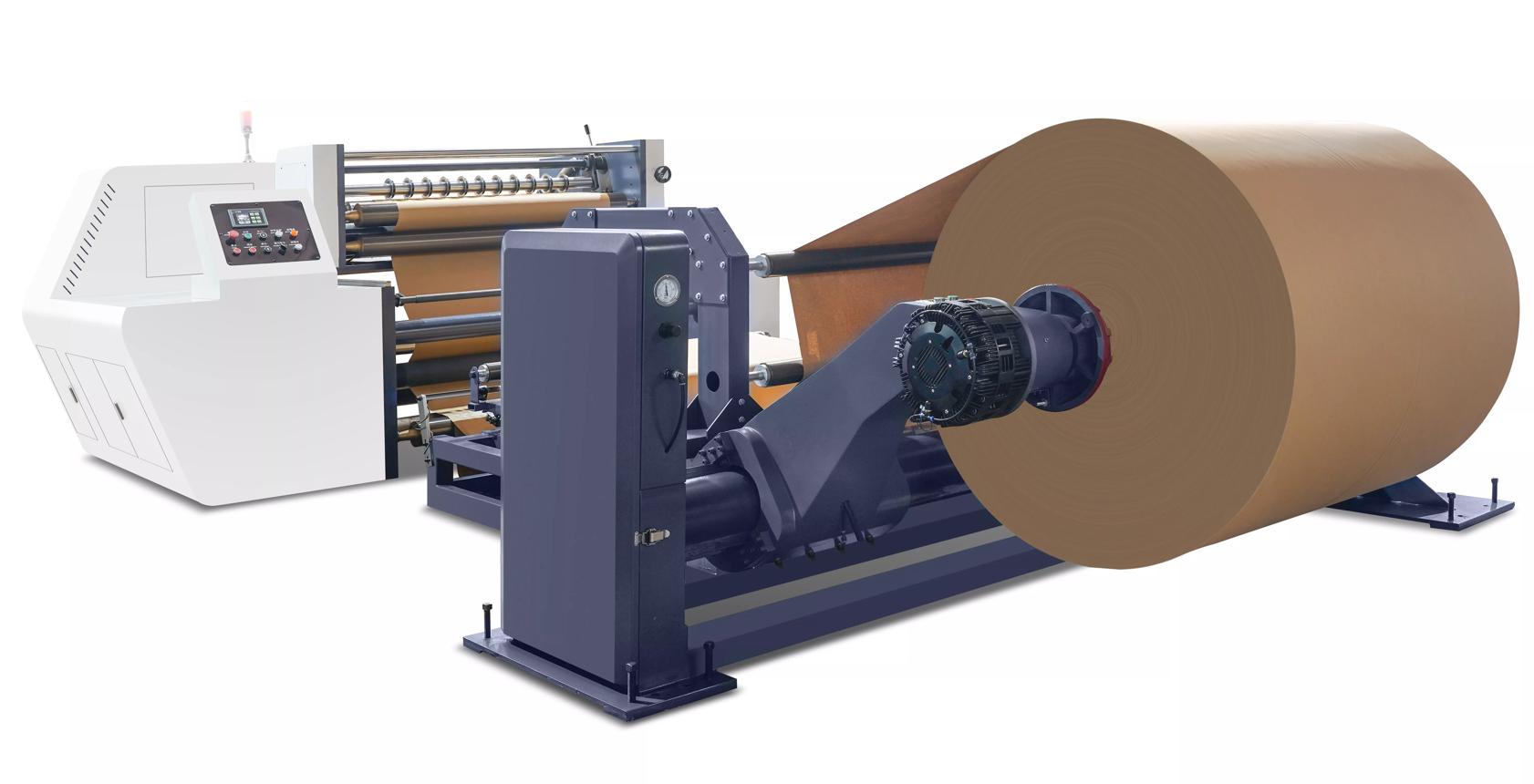
Paper manufacturers and converters rely on slitter rewinder machines to convert large jumbo rolls into smaller rolls used for packaging, printing, and industrial applications.
The machine looks simple. But it decides roll quality, production speed, and waste levels. If slitting is inaccurate, you see problems fast — uneven edges, telescoping rolls, and frequent web breaks.
This guide explains how slitter rewinder machines work in the paper industry and what you should check before choosing one.
What a Slitter Rewinder Machine Does in Paper Converting
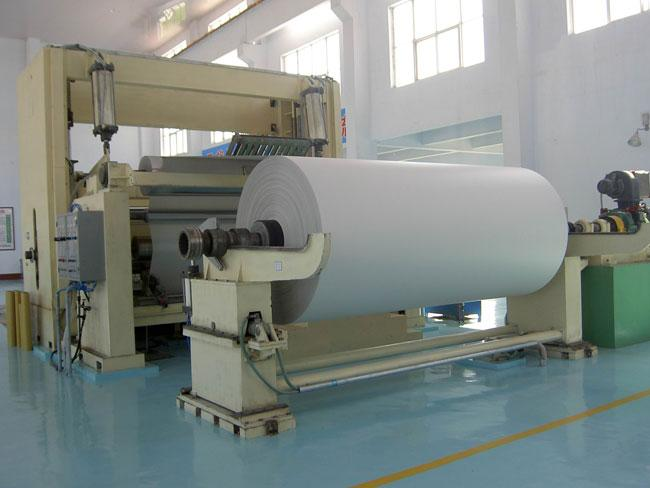
Paper mills produce large jumbo rolls. These rolls can be 1500 mm to 3000 mm wide.
But end users need smaller rolls.
A slitter rewinder machine converts these jumbo rolls into narrow rolls used for packaging, printing, and tissue converting.
The process involves three steps:
- Unwinding the jumbo roll
- Slitting the paper web into smaller widths
- Rewinding finished rolls with proper tension
If tension is unstable, the paper wrinkles or tears. That stops production.
Why Slitting Quality Matters in Paper Processing
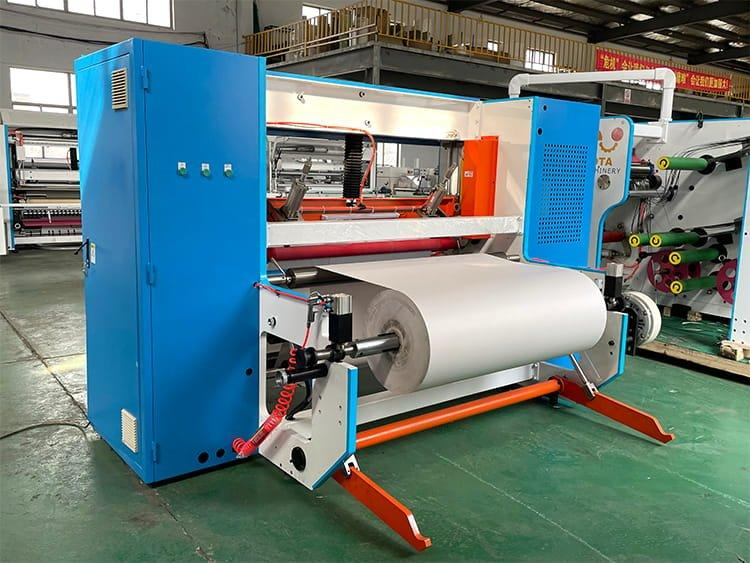
Paper converting requires clean edges and tight roll winding.
Poor slitting causes several problems:
- edge damage
- loose rolls
- web breaks
- roll telescoping
These issues increase waste and slow down production.
According to packaging industry reports published in 2024, converting inefficiencies can increase production costs by 10–18% in paper processing plants.
That is why most modern factories invest in precision slitter rewinder machines.
Types of Slitter Rewinder Machines for Paper
Different paper applications require different slitting systems.
Center Winding Slitter Rewinder
In this system, each rewind shaft has its own drive motor.
Advantages:
- good tension control
- suitable for narrow rolls
- better for specialty paper
But production speed is usually lower.
Surface Winding Slitter Rewinder
Surface winders use large driven drums to wind rolls.
Advantages include:
- higher speeds
- dense roll structure
- suitable for kraft and packaging paper
Most high-volume paper converters prefer this design.
Duplex Slitter Rewinder
Duplex machines have two rewind stations.
While one roll set is removed, the other continues running.
Benefits:
- less downtime
- higher production efficiency
This design works well for large converting plants.
Features You Should Look For
Automatic Tension Control
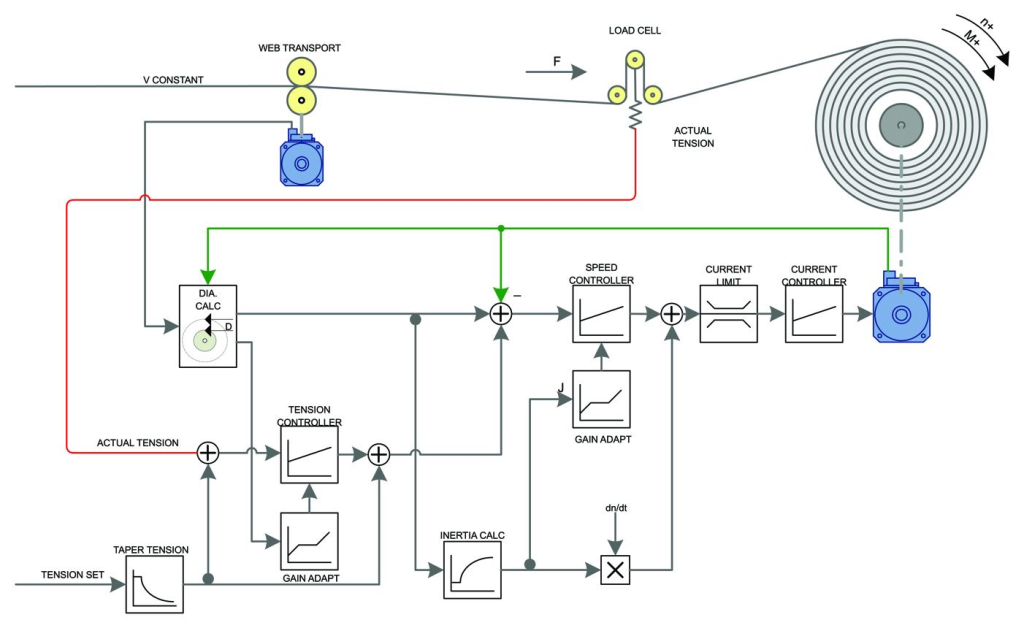
Paper tension changes during unwinding and rewinding.
Modern machines use:
- load cells
- dancer rollers
- PLC-based control
These systems maintain stable web tension across the machine.
Precision Slitting System
Paper slitting usually uses:
- Shear knives
- Razor blades
- Score knives
For thick paper and kraft materials, shear slitting gives the best results.
Shaftless Unwind Stand
Heavy paper rolls can weigh several tons.
A shaftless system helps operators load rolls quickly and safely.
Advantages:
- faster roll loading
- reduced downtime
- improved safety
High-Speed Operation
Modern paper slitter rewinders run at speeds between:
300 to 800 meters per minute
Higher speeds increase production capacity.
Common Paper Materials Processed
Paper slitter rewinders process many materials, including:
- kraft paper
- thermal paper
- coated paper
- release paper
- packaging paper
- label stock
Each material requires different tension and slitting settings.
Typical Technical Specifications
Common machine specifications include:
- Web width: 1300 – 2800 mm
- Unwind diameter: up to 1500 mm
- Rewind diameter: up to 1200 mm
- Slitting width: 30 mm and above
- Speed: up to 800 m/min
Exact specifications vary depending on the machine design.
Common Problems in Poor Slitting Machines
Low-quality machines often create problems such as:
- uneven edges
- dust generation
- roll telescoping
- blade wear
- frequent web breaks
These issues increase maintenance costs and reduce machine productivity.
Industries That Use Paper Slitter Rewinders
Paper converting machines are used in many industries.
Examples include:
- packaging industry
- paper mills
- printing industry
- label manufacturing
- tissue converting
The global paper packaging market reached over $400 billion in 2024, driven by e-commerce growth and sustainable packaging demand.
How to Choose the Right Slitter Machine
Production Volume
High-speed automatic machines work best for large converting plants.
Smaller facilities may choose semi-automatic systems.
Roll Width and Diameter
Check if the machine supports the roll size used in your production.
Many packaging paper lines require wide webs and large diameters.
Automation Level
Modern machines include:
- PLC control panels
- touch screen operation
- automatic knife positioning
- tension feedback systems
Automation reduces operator errors and improves consistency.
Conclusion
The slitter rewinder machine plays a key role in paper converting.
It affects roll quality, production efficiency, and material waste.
When choosing a machine, focus on:
- stable tension control
- precise slitting technology
- high-speed capability
- reliable mechanical design
A well-designed slitter rewinder improves production efficiency and reduces operating costs in paper processing plants.
FAQs
1. What is a slitter rewinder machine used for in the paper industry?
It converts large jumbo rolls of paper into smaller rolls used for packaging, printing, and converting.
2. What is the speed of a paper slitter rewinder machine?
Modern machines operate between 300 and 800 meters per minute.
3. Which slitting method is best for paper?
Shear slitting is commonly used for thick paper and kraft materials.
4. What is the difference between slitting and rewinding?
Slitting cuts the paper web into narrow strips. Rewinding winds those strips into finished rolls.
5. What industries use paper slitter rewinders?
Packaging companies, paper mills, printing companies, and label manufacturers use these machines.